
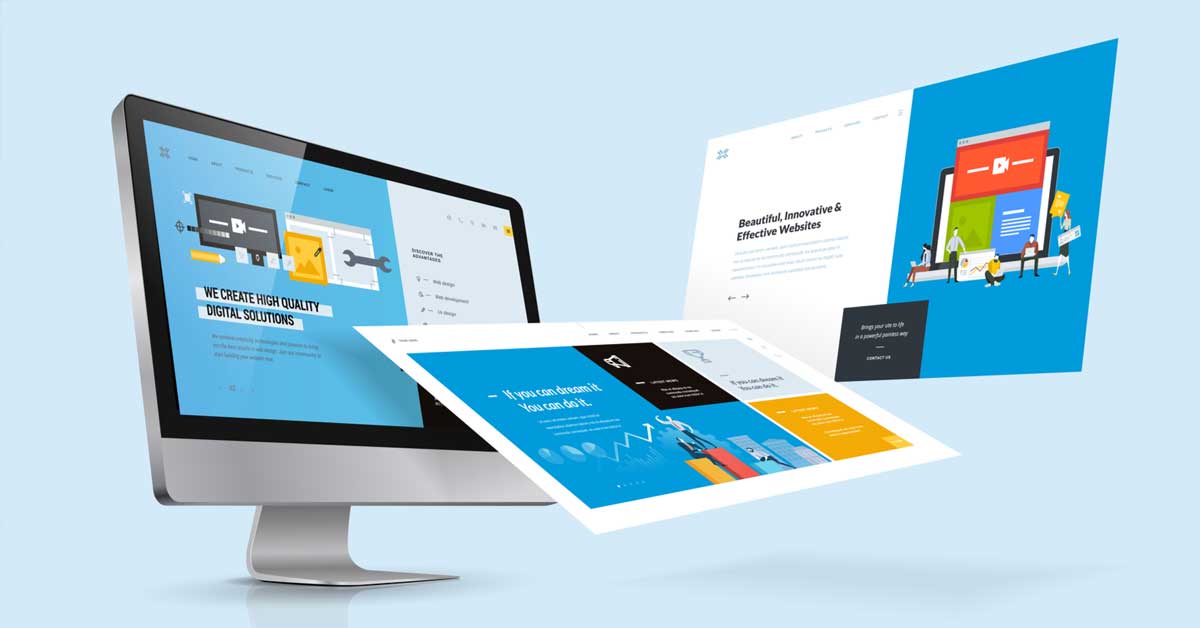
In the modern digital era, a website is often the first interaction customers have with a brand. Bringing your website to life involves transforming your vision into a dynamic and engaging online presence that captivates visitors and drives success. This comprehensive guide will explore the essential steps and best practices to create a vibrant and effective website.
Defining Your Vision
Every successful website begins with a clear vision. Define your goals and objectives—whether it’s to showcase a portfolio, sell products, provide information, or build a community. Understanding your target audience is crucial. Conduct market research to identify their needs, preferences, and behaviors. This foundational step ensures that your website aligns with both your business goals and your audience’s expectations.
Strategic Planning
Strategic planning is key to bringing your website to life. Start with a detailed site map that outlines the structure and hierarchy of your website. Determine the main sections and pages, ensuring a logical flow and easy navigation. Define key functionalities, such as e-commerce capabilities, contact forms, and multimedia integration. This planning phase sets the stage for a smooth development process.
Choosing the Right Platform
Selecting the right platform is crucial for your website’s success. Popular options include:
- WordPress: Known for its flexibility and extensive plugin library, it’s ideal for blogs, portfolios, and business websites.
- Shopify: Perfect for e-commerce, offering robust tools for online stores.
- Squarespace: Great for visually appealing websites, providing sleek templates and ease of use.
- Wix: User-friendly with drag-and-drop features, suitable for small businesses and personal websites.
Choosing a platform that matches your needs and technical expertise is essential for seamless development and maintenance.
Designing a Captivating User Interface (UI)
A visually appealing and intuitive user interface (UI) is vital for engaging visitors. Focus on:
- Aesthetics: Use a clean, modern design with a consistent color scheme and typography that reflects your brand identity.
- Visual Hierarchy: Create a visual hierarchy to guide users’ attention to important elements, such as calls to action (CTAs) and key content.
- Responsive Design: Ensure your website looks and functions well on all devices, from desktops to smartphones.
Crafting Compelling Content
Content is king when it comes to bringing your website to life. High-quality, relevant content not only attracts visitors but also keeps them engaged. Key strategies include:
- Clear Messaging: Communicate your value proposition clearly and concisely.
- SEO Optimization: Incorporate relevant keywords naturally into your content to improve search engine visibility.
- Multimedia Integration: Use images, videos, and infographics to enhance user engagement and convey information effectively.
Optimizing for User Experience (UX)
A positive user experience (UX) is critical for retaining visitors and encouraging conversions. Focus on:
- Intuitive Navigation: Design a user-friendly navigation menu that allows visitors to find what they need quickly.
- Fast Load Times: Optimize images, use a Content Delivery Network (CDN), and minimize HTTP requests to ensure fast loading speeds.
- Accessibility: Ensure your website is accessible to all users, including those with disabilities, by following best practices like providing alt text for images and ensuring keyboard navigability.
Implementing SEO Best Practices
Search Engine Optimization (SEO) is essential for driving organic traffic to your website. Key SEO practices include:
- Keyword Research: Identify high-value keywords relevant to your niche and integrate them naturally into your content.
- On-Page SEO: Optimize title tags, meta descriptions, headers, and URLs to improve search engine rankings.
- Technical SEO: Ensure your website has a proper site structure, fast loading speeds, and mobile optimization.
Incorporating Advanced Features
Advanced features can enhance functionality and improve user engagement. Consider integrating:
- E-commerce Capabilities: Implement secure payment gateways, product catalogs, and shopping carts for online stores.
- Interactive Elements: Use forms, quizzes, and chatbots to engage visitors and gather valuable data.
- Social Media Integration: Include social sharing buttons and embed social feeds to increase engagement and extend your reach.
Ensuring Security
Security is a paramount concern for any website. Protect your site and users by implementing robust security measures:
- SSL Certificates: Encrypt data to protect sensitive information and build trust with your audience.
- Regular Updates: Keep your CMS, plugins, and themes updated to fix security vulnerabilities.
- Secure Authentication: Use strong passwords and two-factor authentication to safeguard user accounts.
Monitoring and Continuous Improvement
Once your website is live, continuous monitoring and improvement are essential for long-term success. Use analytics tools like Google Analytics to track user behavior, site performance, and traffic sources. Regularly gather user feedback to identify areas for improvement. Stay updated with the latest trends and technologies to keep your website fresh and relevant.
Conclusion
Bringing your website to life involves a strategic blend of clear vision, strategic planning, choosing the right platform, designing an engaging user interface, crafting compelling content, optimizing for user experience, implementing SEO best practices, incorporating advanced features, ensuring security, and continuous improvement. By focusing on these essential elements, you can create a dynamic, engaging, and successful online presence that captivates visitors and drives business success. Stay proactive, adaptable, and committed to excellence, and your digital dreams will become a reality.

Comments are closed