
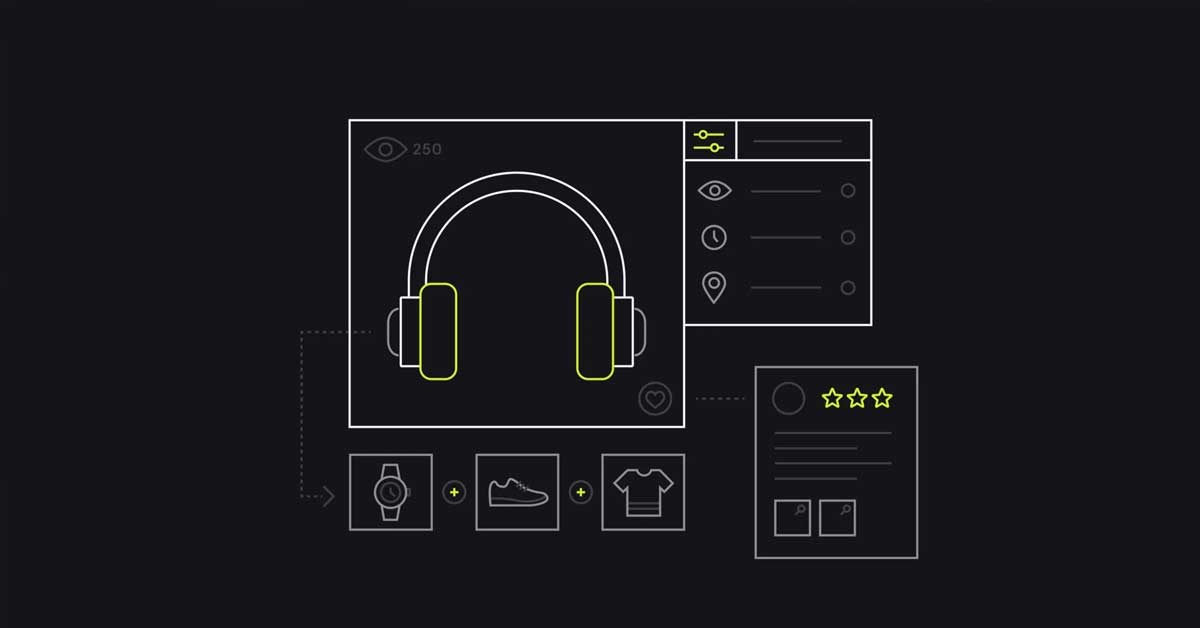
In the competitive world of e-commerce, personalization has emerged as a key strategy for engaging customers and boosting sales. Tailoring the user experience on platforms like Shopify can significantly enhance customer satisfaction and loyalty. This guide explores the importance of personalization in e-commerce and offers practical tips for implementing it effectively on your Shopify store.
Why Personalization Matters in E-Commerce
Personalization involves customizing the shopping experience based on individual customer preferences and behaviors. Here’s why it’s crucial:
- Increased Engagement: Personalized experiences keep customers engaged by showing them relevant products and content.
- Higher Conversion Rates: Tailored recommendations can lead to higher conversion rates as customers are more likely to purchase products that meet their specific needs.
- Improved Customer Loyalty: Customers who feel understood and valued are more likely to return, fostering long-term loyalty.
- Better Customer Insights: Personalization helps gather valuable data on customer preferences, enabling more effective marketing strategies.
Best Practices for Personalizing User Experience on Shopify
- Use Customer Data Wisely: Leverage customer data such as purchase history, browsing behavior, and preferences to create personalized shopping experiences. Shopify’s built-in analytics and third-party apps can help gather and analyze this data.
- Dynamic Product Recommendations: Implement dynamic product recommendations on your Shopify store. Show related items, recently viewed products, and complementary products based on the customer’s browsing history.
- Personalized Email Campaigns: Use email marketing tools to send personalized emails. Include product recommendations, special offers, and reminders tailored to the recipient’s interests and past purchases.
- Customized Landing Pages: Create customized landing pages for different customer segments. Use Shopify’s customization options to design pages that cater to specific interests or demographics.
- Behavioral Targeting: Utilize behavioral targeting to show personalized content. This can include special promotions, banners, and messages based on the user’s actions on your site.
- Customer Segmentation: Segment your customers into groups based on their behavior and preferences. Shopify’s customer segmentation features allow you to create targeted marketing campaigns for each group.
- Personalized Search Results: Optimize your site’s search functionality to provide personalized search results. Use Shopify apps to enhance search capabilities, ensuring customers find what they’re looking for quickly.
Implementing Personalization Tools on Shopify
- Shopify Apps: There are numerous Shopify apps designed for personalization. Some popular ones include LimeSpot Personalizer, Nosto, and Recom.ai. These apps offer features like personalized product recommendations, dynamic pricing, and automated marketing campaigns.
- AI and Machine Learning: Integrate AI and machine learning tools to analyze customer data and predict future behavior. These technologies can automate and enhance personalization efforts.
- A/B Testing: Conduct A/B testing to determine which personalization strategies work best. Test different approaches and refine your methods based on the results.
- Customer Reviews and Feedback: Encourage customers to leave reviews and provide feedback. Use this information to tailor future experiences and improve your personalization strategies.
Benefits of Personalizing User Experience on Shopify
- Enhanced User Experience: Personalization makes the shopping experience more relevant and enjoyable for customers.
- Increased Sales and Revenue: By showing customers products they’re more likely to buy, you can boost sales and revenue.
- Reduced Cart Abandonment: Personalized recommendations and reminders can reduce cart abandonment rates.
- Competitive Advantage: Offering a personalized shopping experience can set your Shopify store apart from competitors.
Conclusion
Incorporating personalization in e-commerce is essential for creating a compelling and engaging shopping experience on Shopify. By leveraging customer data, implementing dynamic product recommendations, and utilizing personalization tools, you can tailor the user experience to meet individual preferences and drive higher engagement and sales. Embrace the power of personalization to enhance customer satisfaction and build a loyal customer base for your Shopify store.

Comments are closed