
In the dynamic world of digital marketing, the ability to connect with customers on a personal level has become a critical success factor. Personalization and customer segmentation are two powerful strategies that allow businesses to tailor their marketing efforts, ensuring they reach the right audience with the right message at the right time. This comprehensive guide explores the benefits, techniques, and best practices for implementing personalization and customer segmentation in digital marketing.
Understanding Personalization in Digital Marketing
What is Personalization?
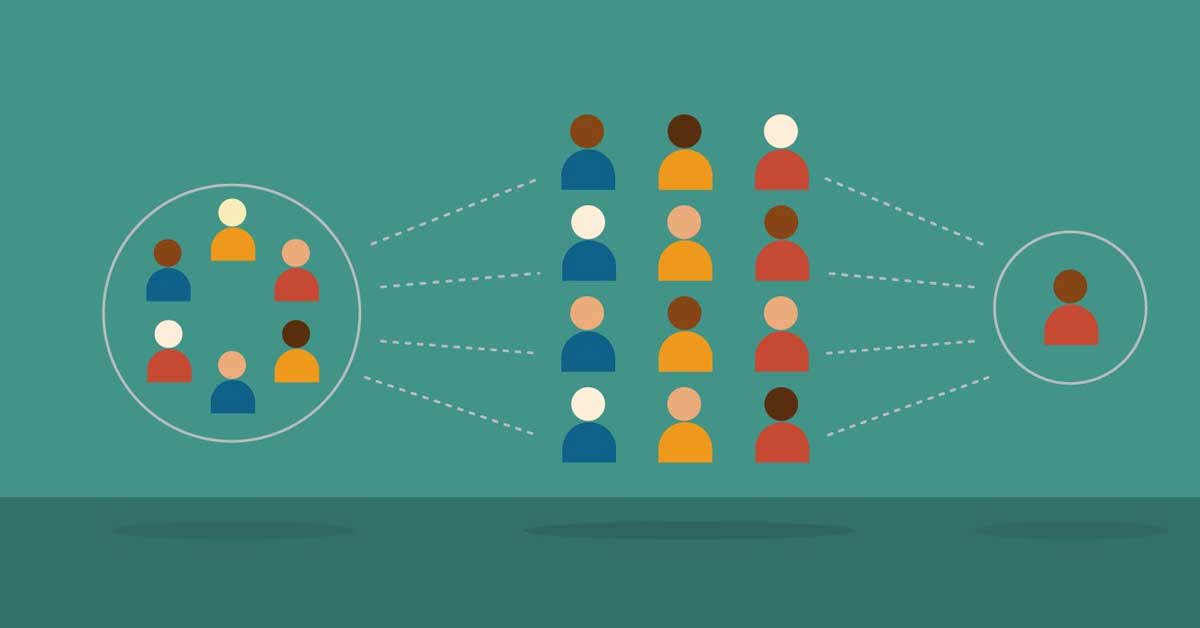
Personalization in digital marketing refers to the process of creating tailored experiences and messages for individual customers based on their behaviors, preferences, and past interactions. By leveraging data, businesses can customize content, product recommendations, emails, and advertisements to meet the specific needs and interests of each customer.
Benefits of Personalization
1. Improved Customer Experience
Personalized experiences make customers feel valued and understood, leading to higher satisfaction and loyalty. When customers receive relevant content and offers, they are more likely to engage with the brand.
2. Higher Conversion Rates
Tailored messages resonate better with customers, increasing the likelihood of conversions. Personalization can significantly enhance the effectiveness of call-to-actions (CTAs), leading to improved sales and revenue.
3. Enhanced Customer Loyalty
By consistently delivering relevant and personalized experiences, businesses can build stronger relationships with their customers. Loyal customers are more likely to make repeat purchases and advocate for the brand.
4. Better ROI on Marketing Spend
Personalization helps in targeting marketing efforts more precisely, reducing wastage and improving the return on investment (ROI). By focusing on the right audience, businesses can achieve more with less.
Techniques for Effective Personalization
1. Behavioral Targeting
Use data on customer behavior, such as browsing history, past purchases, and interaction patterns, to deliver personalized content. Behavioral targeting helps in understanding customer preferences and anticipating their needs.
2. Dynamic Content
Implement dynamic content on your website and in your emails that changes based on the user’s profile. This can include personalized product recommendations, customized greetings, and relevant articles.
3. Email Personalization
Personalize email marketing campaigns by addressing recipients by their names, offering tailored product suggestions, and sending personalized offers based on past interactions and preferences.
4. Location-Based Personalization
Use geo-targeting to deliver content and offers relevant to the customer’s location. This can include local promotions, store information, and region-specific content.
5. Customer Journey Mapping
Map out the customer journey and deliver personalized content at each stage. Understand the touchpoints and tailor your messages to guide the customer seamlessly through their journey.
Understanding Customer Segmentation in Digital Marketing
What is Customer Segmentation?
Customer segmentation involves dividing a customer base into distinct groups based on shared characteristics such as demographics, behaviors, psychographics, and purchase history. This allows businesses to target specific segments with tailored marketing strategies.
Benefits of Customer Segmentation
1. Targeted Marketing Campaigns
Segmentation enables businesses to create targeted marketing campaigns that resonate with specific customer groups. This precision increases the relevance and effectiveness of marketing efforts.
2. Efficient Resource Allocation
By identifying high-value segments, businesses can allocate their marketing resources more efficiently. This ensures that marketing budgets are spent on the most profitable customer groups.
3. Enhanced Product Development
Understanding the needs and preferences of different customer segments can inform product development. Businesses can create products and services that meet the specific requirements of their target segments.
4. Improved Customer Retention
Tailoring retention strategies to different segments can help in addressing the unique needs of each group, leading to higher retention rates and customer loyalty.
Techniques for Effective Customer Segmentation
1. Demographic Segmentation
Divide your customer base based on demographic factors such as age, gender, income, education, and occupation. This helps in understanding the basic characteristics of your audience.
2. Geographic Segmentation
Segment customers based on their geographic location, such as country, region, city, or neighborhood. This is particularly useful for location-specific marketing campaigns.
3. Behavioral Segmentation
Group customers based on their behaviors, such as purchasing habits, product usage, and brand interactions. This helps in identifying patterns and tailoring marketing strategies accordingly.
4. Psychographic Segmentation
Segment customers based on their lifestyles, values, interests, and personality traits. This provides deeper insights into customer motivations and preferences.
5. Technographic Segmentation
Divide customers based on their technology usage and preferences. This can include the types of devices they use, their preferred social media platforms, and their online behavior.
Best Practices for Implementing Personalization and Customer Segmentation
1. Leverage Data Analytics
Use advanced data analytics tools to gather and analyze customer data. This will help in identifying patterns, segmenting customers accurately, and delivering personalized experiences.
2. Integrate CRM Systems
Integrate customer relationship management (CRM) systems to centralize customer data. This ensures that all customer interactions and preferences are tracked and used for personalization and segmentation.
3. Use AI and Machine Learning
Implement AI and machine learning algorithms to automate personalization and segmentation processes. These technologies can analyze vast amounts of data and deliver real-time personalized experiences.
4. Continuously Test and Optimize
Regularly test and optimize your personalization and segmentation strategies. Use A/B testing, customer feedback, and performance metrics to refine your approach and improve results.
5. Prioritize Privacy and Data Security
Ensure that customer data is handled with the utmost care. Comply with data privacy regulations such as GDPR and CCPA, and communicate transparently with customers about how their data is used.
Conclusion
Personalization and customer segmentation in digital marketing are essential strategies for creating relevant and engaging customer experiences. By understanding and leveraging the unique characteristics and behaviors of your audience, you can deliver tailored messages that resonate, drive conversions, and build lasting customer relationships. Embrace these strategies to enhance your digital marketing efforts and stay ahead in a competitive landscape.

Comments are closed