
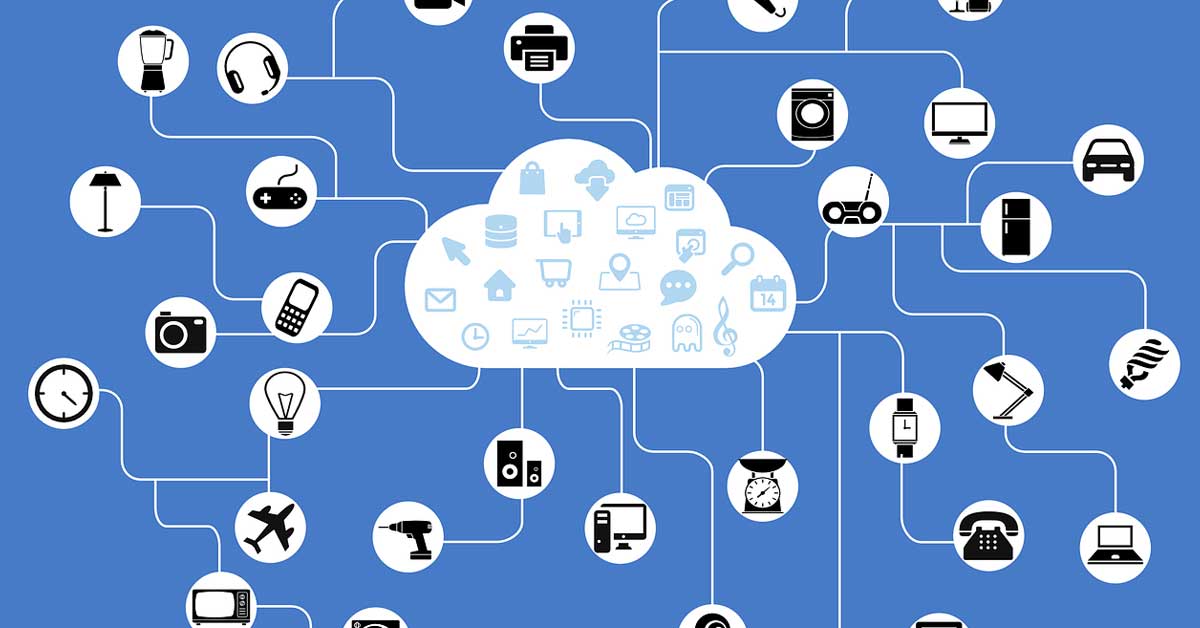
In the age of digital transformation, smart product design has become a pivotal element in creating innovative and user-friendly products. By integrating IoT (Internet of Things) and connectivity, businesses can offer enhanced functionalities, seamless user experiences, and greater value. This comprehensive guide delves into the essentials of smart product design, the role of IoT and connectivity, and best practices for developing cutting-edge smart products.
What is Smart Product Design?
Smart product design refers to the development of products equipped with advanced technologies that enable them to connect, communicate, and interact with users and other devices. These products leverage sensors, microcontrollers, software, and connectivity to provide intelligent functionalities and real-time data exchange.
Key Features of Smart Products
- Connectivity: Ability to connect to the internet and other devices.
- Data Collection: Equipped with sensors to gather and process data.
- User Interaction: Enhanced interfaces for better user experience.
- Automation: Capability to perform tasks autonomously based on predefined rules or AI algorithms.
- Remote Control: Access and control through smartphones or other devices.
The Role of IoT in Smart Product Design
1. Seamless Connectivity
Integrating IoT into smart product design ensures seamless connectivity. IoT enables devices to connect and communicate over the internet, facilitating real-time data exchange and remote control. This connectivity is crucial for creating products that can interact with users and other systems efficiently.
2. Real-Time Data Processing
IoT devices collect data from their surroundings through various sensors. This data is then processed in real-time, allowing for immediate responses and actions. For example, a smart thermostat can adjust the temperature based on the data received from motion sensors and weather forecasts.
3. Enhanced User Experience
IoT integration enhances the user experience by providing personalized and automated services. Smart products can learn user preferences and adjust their operations accordingly. For instance, a smart lighting system can remember a user’s lighting preferences and adjust the brightness and color temperature automatically.
4. Predictive Maintenance
IoT-enabled smart products can predict maintenance needs and alert users before issues arise. This predictive maintenance reduces downtime and extends the lifespan of the products. For example, smart appliances can notify users when they require servicing, thus preventing potential breakdowns.
5. Interoperability
IoT facilitates interoperability between different smart devices. This means that various devices from different manufacturers can work together seamlessly, creating an integrated smart ecosystem. For example, a smart home system can integrate security cameras, door locks, and lighting systems to enhance home security.
Best Practices for Integrating IoT and Connectivity in Smart Product Design
1. Focus on User-Centric Design
The success of a smart product hinges on its ability to meet user needs and preferences. Conduct thorough user research to understand the target audience and design products that offer intuitive interfaces and meaningful functionalities.
2. Ensure Robust Security
Security is a paramount concern in IoT devices. Implement robust security measures such as encryption, secure boot processes, and regular software updates to protect user data and prevent unauthorized access.
3. Optimize for Scalability
Design IoT systems with scalability in mind. As the number of connected devices grows, the system should be able to handle increased data traffic and processing demands without compromising performance.
4. Leverage Cloud Services
Utilize cloud services for data storage, processing, and analytics. Cloud integration provides the necessary infrastructure to manage large volumes of data and enables real-time analytics, which is crucial for delivering smart functionalities.
5. Embrace Interoperability Standards
Adopt interoperability standards and protocols to ensure that your smart products can seamlessly integrate with other devices and platforms. This approach enhances the overall user experience and creates a more cohesive smart ecosystem.
6. Implement Energy Efficiency
Smart products often run continuously and interact with other devices, leading to high energy consumption. Design energy-efficient systems to extend battery life and reduce operational costs. Techniques such as low-power components and energy-efficient communication protocols are essential.
7. Continuous Improvement and Updates
The technology landscape is constantly evolving. Ensure your smart products can receive firmware and software updates to add new features, improve performance, and patch security vulnerabilities. This continuous improvement keeps your products relevant and competitive.
Examples of IoT-Enabled Smart Products
1. Smart Home Devices
Devices such as smart thermostats, lighting systems, and security cameras offer enhanced home automation and security. They can be controlled remotely via smartphones and can interact with each other to provide a cohesive home automation experience.
2. Wearable Technology
Smartwatches and fitness trackers collect health and fitness data, providing users with real-time insights into their physical activities and health metrics. These devices often integrate with health apps to offer personalized health recommendations.
3. Connected Appliances
Appliances like smart refrigerators, washing machines, and ovens come equipped with IoT capabilities, allowing users to control them remotely, receive notifications, and even automate certain functions based on usage patterns.
4. Industrial IoT Devices
In the industrial sector, IoT-enabled devices monitor equipment health, optimize energy usage, and improve safety. Examples include smart sensors for predictive maintenance and automated control systems for manufacturing processes.
Conclusion
Integrating IoT and connectivity into smart product design is revolutionizing the way products interact with users and their environments. By focusing on user-centric design, robust security, scalability, and interoperability, businesses can create innovative smart products that offer unparalleled user experiences and operational efficiencies. Embrace the power of IoT to stay ahead in the competitive market and deliver products that meet the evolving needs of your customers. Start exploring smart product design today to unlock new opportunities and drive your business forward.

Comments are closed