
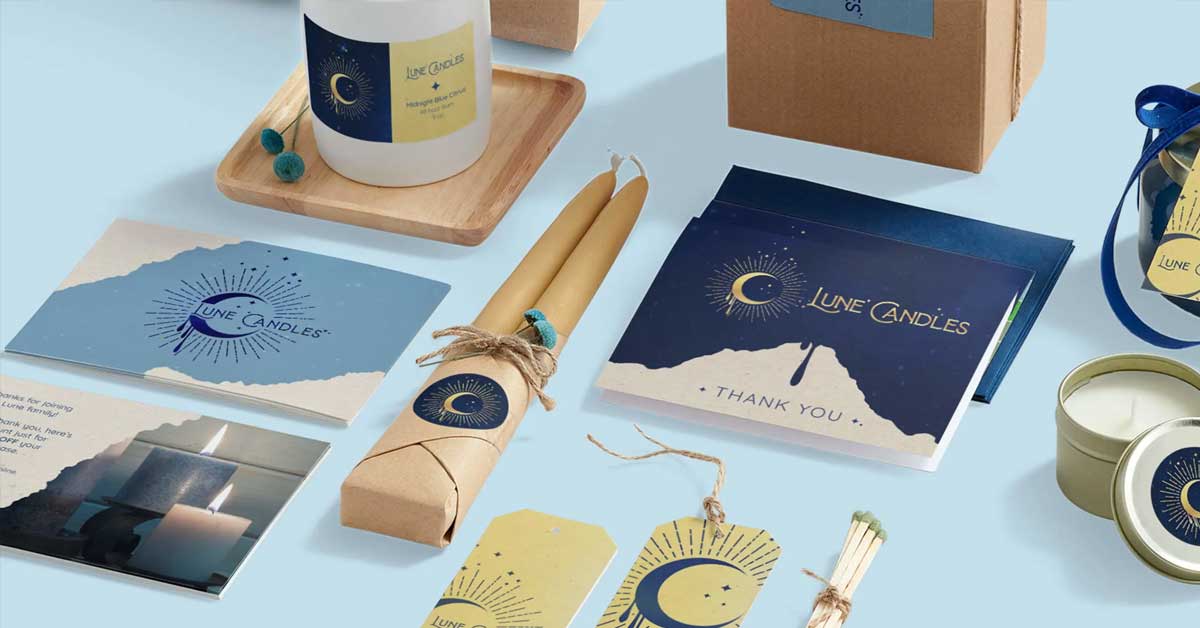
In today’s competitive market, packaging and product branding are essential components of a successful marketing strategy. They play a crucial role in creating cohesive experiences that resonate with consumers and distinguish your brand from the competition. Here are some key strategies to develop impactful packaging and product branding.
1. Understand Your Target Audience
The first step in creating effective packaging and product branding is to understand your target audience. Conduct market research to gather insights into your customers’ preferences, needs, and behaviors. This information will guide your design choices, ensuring that your packaging and branding appeal to your intended demographic.
2. Define Your Brand Identity
A strong brand identity is the foundation of cohesive product branding. Define your brand’s core values, mission, and unique selling propositions. Create a brand personality that reflects these elements and resonates with your target audience. Consistency in your brand identity across all touchpoints reinforces your brand’s message and builds trust with consumers.
3. Develop a Consistent Visual Language
A consistent visual language is key to cohesive packaging and product branding. This includes your logo, color palette, typography, and imagery. Ensure that these elements are uniform across all your products and marketing materials. Consistency helps create a recognizable brand and enhances brand recall among consumers.
4. Design Functional and Aesthetic Packaging
Effective packaging design balances functionality and aesthetics. Your packaging should not only protect the product but also attract and engage consumers. Use high-quality materials and innovative designs that reflect your brand’s identity. Consider the unboxing experience, as it is often the first physical interaction customers have with your product. A memorable unboxing experience can leave a lasting impression.
5. Tell a Story Through Packaging
Storytelling is a powerful tool in product branding. Use your packaging to tell your brand’s story and convey your values. This can be done through imagery, text, and even the materials you choose. For example, eco-friendly packaging can communicate a commitment to sustainability. A compelling story differentiates your product and fosters an emotional connection with consumers.
6. Incorporate Brand Elements Strategically
Incorporate key brand elements such as your logo, tagline, and brand colors into your packaging design. These elements should be prominently displayed but not overpowering. Strategic placement ensures that your packaging is visually appealing and reinforces brand recognition.
7. Leverage Packaging for Marketing
Your packaging is a powerful marketing tool. Use it to communicate essential product information, benefits, and usage instructions. Include QR codes or links to your website and social media channels to drive engagement and interaction. Special promotions or limited edition packaging can also create excitement and encourage purchases.
8. Ensure Sustainability in Packaging
Sustainability is becoming increasingly important to consumers. Implement eco-friendly packaging solutions to reduce your environmental impact. Use recyclable, biodegradable, or reusable materials. Highlight your sustainability efforts on your packaging to appeal to environmentally conscious consumers and enhance your brand’s reputation.
9. Test and Iterate
Before finalizing your packaging design, test it with your target audience. Gather feedback on the design, functionality, and overall appeal. Use this feedback to make necessary adjustments. Regularly review and update your packaging to keep it fresh and relevant, adapting to changing consumer preferences and market trends.
10. Integrate Digital and Physical Branding
Creating a seamless experience across both digital and physical channels is essential for cohesive product branding. Ensure that your online presence, including your website and social media, reflects your packaging design and brand identity. Consistency across all platforms builds a unified brand experience and strengthens consumer trust.
11. Monitor Competitors and Trends
Stay informed about competitors and industry trends. Analyze the packaging and branding strategies of successful brands in your niche. Identify emerging trends and incorporate relevant elements into your own strategy. Staying ahead of the curve helps you remain competitive and innovative in your approach.
In conclusion, packaging and product branding are vital in creating cohesive experiences that captivate and retain customers. By understanding your target audience, defining a strong brand identity, developing a consistent visual language, designing functional and aesthetic packaging, and leveraging storytelling, you can enhance your brand’s presence and impact. Incorporate sustainable practices, test and iterate your designs, integrate digital and physical branding, and stay informed about industry trends to ensure ongoing success.

Comments are closed